


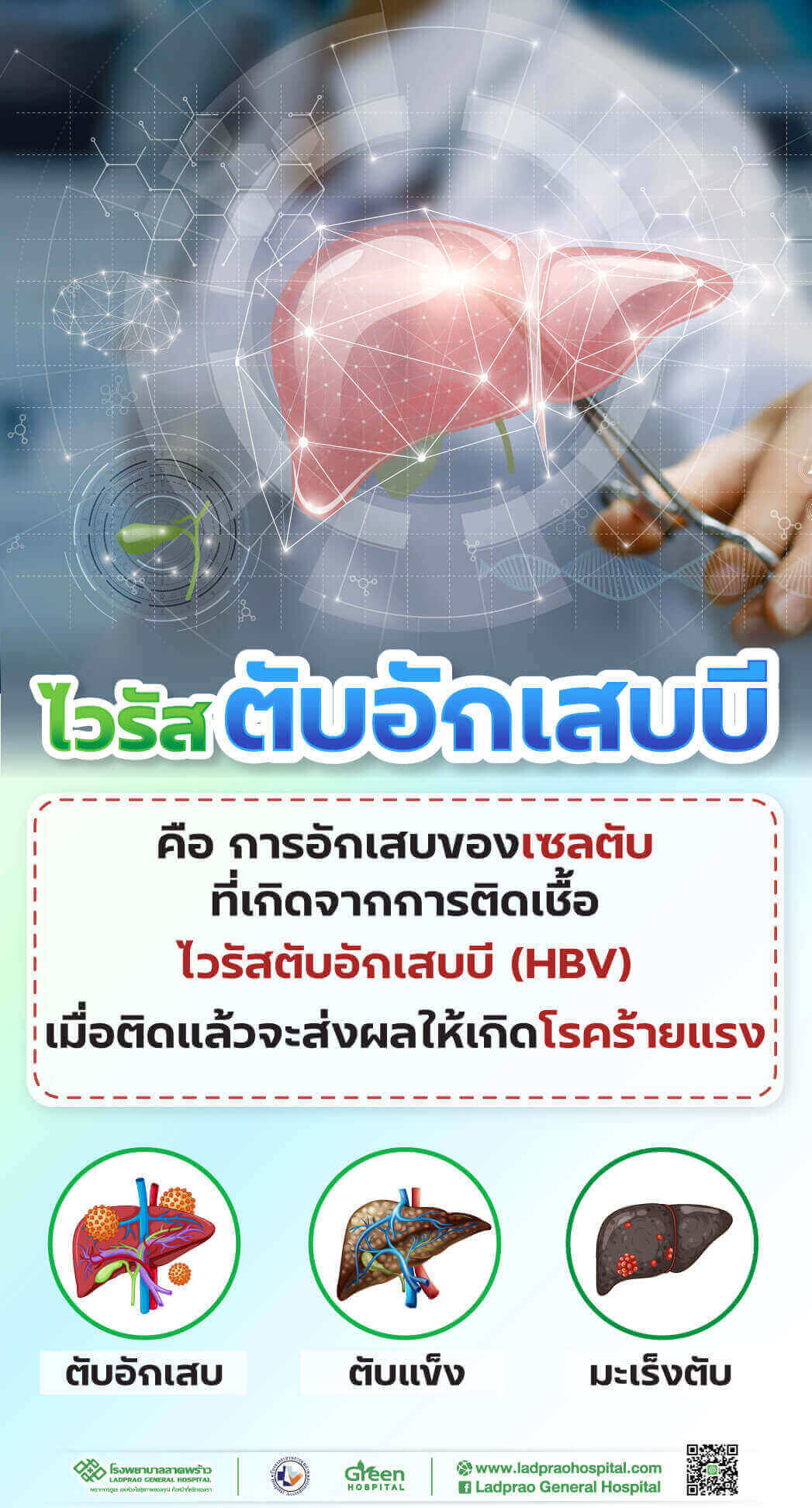
» Viral Hepatitis.
- It is a disease caused by a viral infection that causes inflammation of the liver, which can lead to cirrhosis and increase the risk of liver cancer in the long term.
» Types of hepatitis viruses.
- Hepatitis A: It's transmitted by consuming food or water contaminated with the virus. The infection is usually acute and resolves on its own, it doesn't lead to a chronic condition. There is a vaccine available for prevention.
- Hepatitis B: It's transmitted through blood and bodily fluids, such as sharing needles, sexual contact, and from mother to child. Most patients may not have symptoms in the early stages, but if the infection becomes chronic, it can lead to cirrhosis and liver cancer. There is a vaccine available for prevention.
- Hepatitis C: It's transmitted similarly to type B, through blood and bodily fluids. Most patients often have no symptoms in the early stages and frequently become chronic carriers, which is a major cause of long-term cirrhosis and liver cancer. There is currently no vaccine, but there are highly effective treatment options available.
- In addition, there are also Hepatitis D, which requires a co-infection with Hepatitis B, and Hepatitis E, which is transmitted through food and water, similar to Hepatitis A.
» Symptoms of hepatitis
- Fatigue, easily tired.
- Nausea, vomiting, loss of appetite.
- Muscle and joint pain.
- Tightness under the right rib cage.
- Dark urine.
- Yellow body and eyes (jaundice)
» Treatment.
- Acute hepatitis: Treatment focuses on rest and symptomatic care.
- Chronic viral hepatitis: Oral or injectable antiviral medications may be needed to control the spread of the infection and prevent future cirrhosis or liver cancer.
» Protection.
- Vaccination: There are currently highly effective vaccines available to prevent hepatitis A and B.
- Maintain good hygiene: Wash your hands thoroughly before eating and after using the toilet, and avoid consuming contaminated food and water.
- Avoid risky behaviors: such as sharing needles or personal equipment with others, having unprotected sex, and drinking excessive amounts of alcohol.
You can ask for more information at Gastrointestinal and Liver Center, Building 3, 2nd Floor, Tel. 0 2530 2556 ext. 3210